
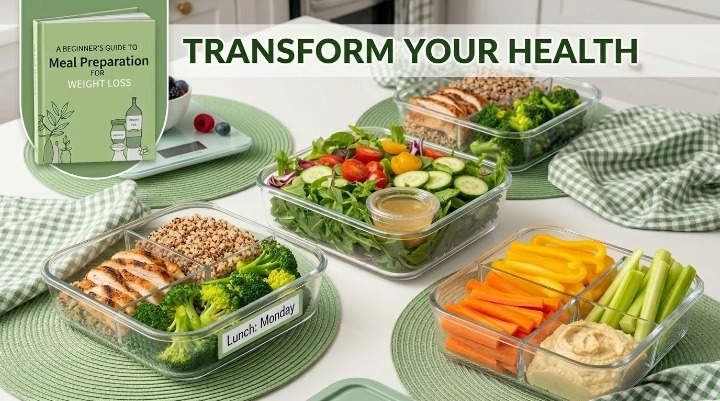
If you want to lose weight without constantly worrying about what to eat, meal prep can make a huge difference. Instead of making unhealthy food choices when you're hungry, you already have balanced meals ready to go. This approach saves time, reduces stress, and helps you stay consistent with your nutrition.
Many beginners struggle with staying on track because they rely on quick meals or last-minute food decisions. Meal prep solves this problem by helping you plan, cook, and portion your meals in advance. The result is better control over calories, healthier ingredients, and a more structured eating routine.
This step-by-step guide will help you understand how to start meal prepping for weight loss, even if you have never done it before.
Step 1: Define Your Weight Loss Goal
Before preparing meals, it is important to understand your personal goal. Some people want to lose a few pounds, while others want long-term fat loss and better health.
Ask yourself:
- How many pounds do you want to lose?
- How many meals will you eat daily?
- Are you trying to reduce calories, increase protein, or eat cleaner?
Understanding the difference between Weight loss vs dieting is important here. Dieting often feels temporary, while weight loss through meal prep focuses on building sustainable eating habits.
For individuals who struggle with obesity or certain health conditions, professionals may sometimes recommend structured programs such as medical weight loss treatment, which combines nutrition planning, lifestyle changes, and medical supervision.
Once your goal is clear, creating your meal plan becomes much easier.
Step 2: Plan Your Weekly Meals
Meal prep works best when you plan your meals ahead of time. Start by planning for 3 to 5 days instead of an entire week if you are new to this.
Your meal plan should include:
- Breakfast options
- Lunch meals
- Dinner meals
- Healthy snacks
Try to keep meals simple. You do not need complicated recipes. A balanced plate usually includes:
- Lean protein
- Vegetables
- Whole grains or healthy carbs
- Healthy fats
Example meal ideas include grilled chicken with brown rice and vegetables, oatmeal with fruits, or a salad with salmon and avocado.
Planning meals helps you avoid unhealthy food choices and keeps your calorie intake consistent.
Step 3: Create a Smart Grocery List
Once your meals are planned, write a grocery list based on the ingredients you need. Shopping with a list prevents impulse buying and helps you stay focused on healthy foods.
A typical weight loss grocery list may include:
- Chicken breast, fish, eggs, or tofu
- Brown rice, quinoa, oats, or sweet potatoes
- Fresh vegetables such as broccoli, spinach, and bell peppers
- Fruits like berries, apples, and bananas
- Healthy fats such as olive oil, nuts, and avocados
Buying ingredients in bulk can also save money and make meal prep easier.
Step 4: Choose a Meal Prep Day
Most people choose one or two days per week to prepare their meals. Sunday is the most common choice because it sets you up for the week ahead.
During your meal prep day you should:
- Wash and chop vegetables
- Cook proteins in batches
- Prepare grains or carbs
- Portion meals into containers
Batch cooking helps you prepare multiple meals at once, which saves a lot of time during busy weekdays.
Step 5: Use Proper Portion Control
Portion control is a key factor in weight loss. Even healthy foods can slow your progress if portions are too large.
A simple portion guide can help:
- Protein: about the size of your palm
- Carbohydrates: about a cupped hand
- Healthy fats: about the size of your thumb
- Vegetables: fill half of your plate
Using food containers with sections can make it easier to control portion sizes and maintain balanced meals.
Step 6: Store Meals Properly
After cooking your meals, proper storage keeps them fresh and safe to eat.
Tips for storing meal prep meals:
- Use airtight glass or BPA free containers
- Label meals with the date
- Store meals in the refrigerator for up to 3–4 days
- Freeze extra meals for longer storage
Having meals ready in the fridge removes the temptation to order takeout or eat processed food.
Step 7: Keep Meals Interesting
One common mistake beginners make is preparing the same meal every day. This can quickly become boring and may cause you to give up.
To keep things interesting:
- Rotate different protein sources
- Try different spices and herbs
- Change cooking styles such as grilling, baking, or roasting
- Add different sauces or healthy dressings
Small variations make your meals more enjoyable and help you stay consistent.
Step 8: Track Your Progress
Meal prep works best when combined with progress tracking. You can monitor your results through:
- Body weight changes
- Energy levels
- Fitness improvements
- Body measurements
If weight loss slows down, you may need to adjust your calorie intake or meal portions.
Consistency is more important than perfection. Even small improvements over time can lead to significant results.
Final Thoughts
Meal prep is one of the most effective strategies for maintaining a healthy diet and achieving weight loss goals. By planning your meals, controlling portions, and preparing food in advance, you create a system that supports better eating habits.
For beginners, the key is to start simple. Choose easy recipes, prep a few meals at a time, and focus on building a routine that fits your lifestyle. Over time, meal prep becomes easier and more natural.
With the right plan and consistency, meal prepping can transform your eating habits and help you stay on track with your weight loss journey.