
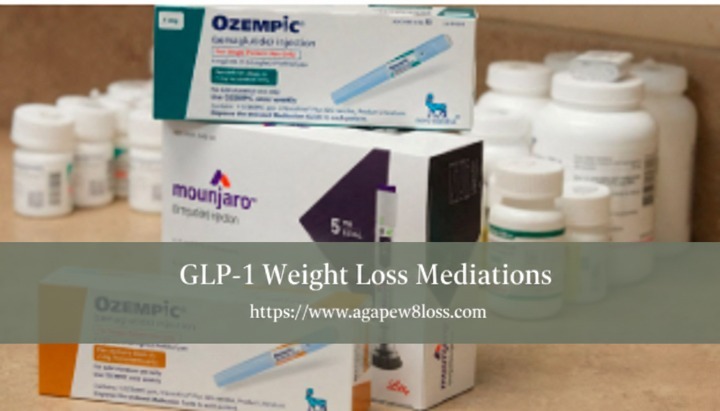
GLP-1 weight loss medications have transformed the way obesity and metabolic conditions are treated. Originally developed for type 2 diabetes, these medications are now widely prescribed to help patients achieve significant and sustainable weight loss under medical supervision.
If you’ve heard about Ozempic® or Wegovy® and wondered how they work, this guide breaks it down in simple terms.
What Are GLP-1 Medications?
GLP-1 stands for Glucagon-Like Peptide-1, a naturally occurring hormone in the body that helps regulate:
- Blood sugar levels
- Appetite
- Digestion speed
- Insulin release
GLP-1 medications mimic this hormone, helping people feel full longer and reducing overall calorie intake.
How Do GLP-1 Weight Loss Drugs Work?
GLP-1 medications support weight loss through several mechanisms:
1. Appetite Suppression
They signal to the brain that you’re full, which reduces hunger and cravings.
2. Slower Gastric Emptying
Food stays in the stomach longer, increasing satiety after meals.
3. Improved Blood Sugar Control
They help regulate insulin and reduce blood sugar spikes, which can prevent fat storage.
Common GLP-1 Weight Loss Medications
Here are the most well-known options currently prescribed:
1. Ozempic
- Active ingredient: Semaglutide
- Originally approved for type 2 diabetes
- Often prescribed off-label for weight loss
- Taken once weekly via injection
2. Wegovy
- Active ingredient: Semaglutide
- FDA-approved specifically for chronic weight management
- Higher dose than Ozempic
- Weekly injection
3. Mounjaro
- Active ingredient: Tirzepatide
- Targets both GLP-1 and GIP receptors
- Shows significant weight loss results in clinical trials
- Weekly injection
4. Zepbound
- Active ingredient: Tirzepatide
- Specifically approved for weight loss
- Designed for patients with obesity or weight-related health conditions
How Much Weight Can You Lose?
Clinical studies show patients may lose:
- 10–15% of body weight with semaglutide
- 15–22% of body weight with tirzepatide
Results vary based on:
- Dosage
- Diet and lifestyle
- Medical history
- Adherence to treatment
GLP-1 medications work best when combined with a structured nutrition and lifestyle plan.
Who Is a Good Candidate?
You may qualify if you:
- Have a BMI of 30 or higher
- Have a BMI of 27+ with conditions like hypertension, diabetes, or sleep apnea
- Have struggled with long-term weight management
A medical evaluation is required to determine eligibility.
Possible Side Effects
Most side effects are mild and temporary, including:
- Nausea
- Vomiting
- Diarrhea
- Constipation
- Bloating
These symptoms often improve as your body adjusts to the medication. Proper dosing and gradual titration help reduce discomfort.
Benefits Beyond Weight Loss
GLP-1 medications may also:
- Improve blood sugar control
- Lower cardiovascular risk
- Reduce inflammation markers
- Improve metabolic health
This makes them particularly beneficial for patients with obesity-related conditions.
Are GLP-1 Medications Safe?
When prescribed and monitored by a healthcare professional, GLP-1 medications are considered safe and effective for long-term use. However, they are not suitable for everyone. Individuals with certain thyroid conditions or a history of specific endocrine disorders may not be candidates.
Always consult a qualified provider before starting treatment.
Is This Right for You?
GLP-1 medications are not a “quick fix.” They are part of a medically supervised strategy that may include:
- Nutrition counseling
- Exercise planning
- Behavioral support
- Ongoing medical monitoring
If you're considering Weight loss treatment in Ohio, consulting a licensed medical provider can help determine whether GLP-1 therapy fits your goals and health profile.
Final Thoughts
GLP-1 medications like Ozempic, Wegovy, and Mounjaro represent a major breakthrough in obesity treatment. They address biological drivers of hunger and metabolism rather than relying solely on willpower.
With proper medical guidance, these treatments can offer sustainable, long-term weight loss and improved overall health.